
Investing in a Farm in Costa Rica: Private Land, Cattle Ranching, Agriculture, and Living in Nature
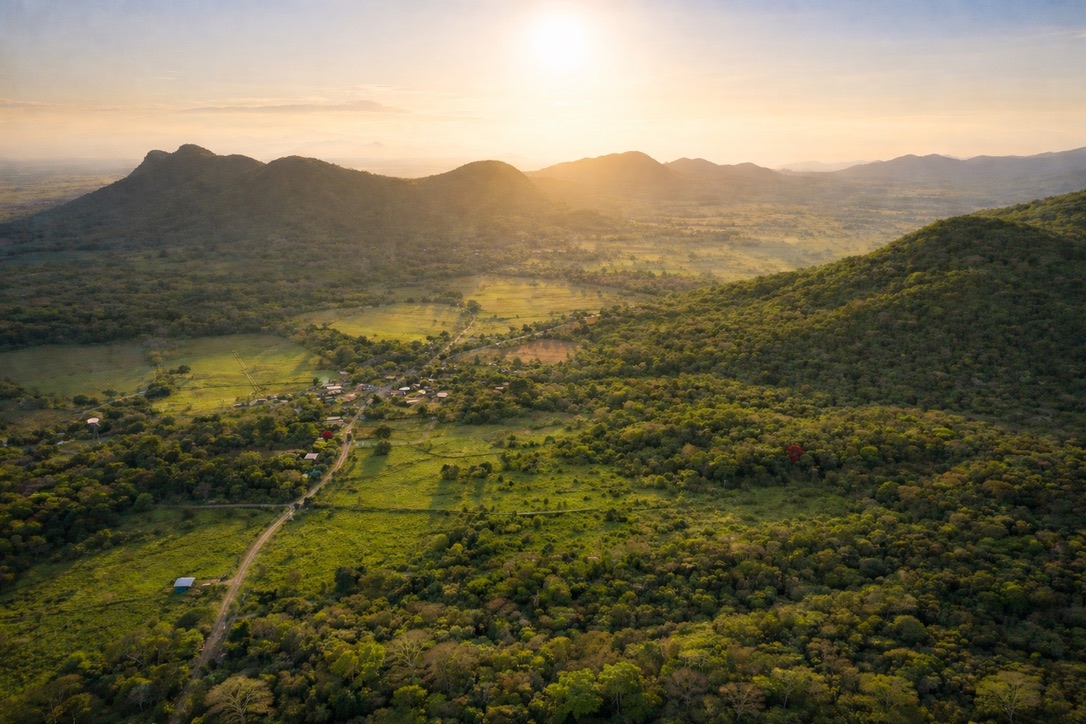
When people think about investing in real estate abroad, and specifically in Costa Rica, most imagine an oceanfront condo, a villa with a pool, or a plot of land for developing a tourism project. And it is true that these are the types of properties my clients are most often looking for.
From time to time, however, I meet investors with a completely different vision. They aren't looking for a vacation rental property for tourists, nor a development project. They are seeking an escape from the daily grind and are drawn to owning a farm, raising cattle, growing tropical fruit, practicing agriculture, and the chance to be at least partially self-sufficient. They want their own piece of land surrounded by beautiful nature where they can spend time with family, farm the land, and build their own business. And I have to say, it's a wonderful idea if that's the direction your heart is set on. Coming from the province of Guanacaste, where farming and cattle ranching have a deep tradition, this topic is very close to my heart.
I believe it is an intriguing alternative to traditional real estate investing. Naturally, this is assuming you know what you expect from such an investment, choose the right piece of land, and have a realistic picture of how the farm will operate.
That is why I decided to share a closer look at the opportunities owning a farm in Costa Rica offers, what crops you can grow, how livestock farming works, and whether it is possible to generate an income from such a property.
Farming in Guanacaste: Part of Our Culture and Traditions
Guanacaste is my home province and one of Costa Rica's most renowned agricultural regions. Anyone who has visited the area and ventured beyond the coastal tourist resorts has surely noticed the sprawling pastures, herds of cattle, horses, and traditional countryside haciendas.
Cattle ranching has been a way of life here for generations. Horses, ranches, equestrian festivities, and traditional rodeos are an inseparable part of our Guanacaste culture.
Unlike some tourist destinations where such experiences are staged primarily for visitors, agriculture here remains a natural, everyday part of life.
If you are among the investors considering owning a farm, this fact also has great practical value. Guanacaste has established farm supply stores, veterinary services, livestock trading, and above all, local people with decades of hands-on experience. This is especially vital for a foreign investor who may not be able to live in Costa Rica year-round.
However, there is one essential factor you must account for. Guanacaste experiences distinct dry and rainy seasons. Our landscape is breathtakingly lush during the green season, but it looks entirely different during the dry season. This is natural and has a direct impact on pasture conditions, feed availability, and crop selection.
That is why, when buying a farm, I would never evaluate it purely on its size or the beauty of the surrounding nature, but above all on water availability, soil quality, and its potential for year-round use.
Cattle Ranching: Can Your Own Ranch Also Be a Business?
One way to utilize agricultural land in Guanacaste is pasture-raised cattle ranching. This doesn't necessarily have to be a massive commercial operation with hundreds of animals. Even a smaller herd can make good sense if the owner has suitable pasture land and a well-structured operation.
One practice that works very well is buying young bulls, raising them on pasture, and then selling them. In Costa Rica, livestock is commonly traded through auctions. This means there are established channels to sell your livestock to local ranchers and traders.
To give you a better idea, let me share a specific example of a farm owner here in Guanacaste. He purchased twenty young bulls at an initial cost of around 200,000 Costa Rican colones per head—roughly 400 USD. After about a year of grazing, the selling price of a mature bull was around 800,000 colones, or approximately 1,600 USD. For the purchase of twenty young bulls, he spent 4 million colones and sold them for 16 million colones. Of course, this does not translate into a pure profit of 12 million colones, as he naturally had operating expenses for their care throughout the year. But because cattle ranching is just one of several activities he pursues, it provides a very pleasant cash flow.
When evaluating an investment like this, it is essential to be clear on your investment goals and what you wish to focus on, and assess the property accordingly.
Hay Production: An Opportunity Many Investors Might Overlook
This is an aspect I really enjoy discussing because it is something most farm investors might not even consider. Nevertheless, hay production is another fascinating way to utilize agricultural land here in Costa Rica.
In Costa Rica, we call hay bales pacas, and their production is vital for livestock farmers who need to secure feed during months when fresh pasture is scarce. Imagine producing over 1,000 bales of hay in a single harvest on your farm, with hay cut twice a year. At an estimated price of between 2,500 and 4,000 Costa Rican colones per bale, the gross annual revenue from selling roughly 2,000 bales can range from 5 to 8 million colones, which is approximately 10,000 to 16,000 USD.
Naturally, you must deduct the costs associated with harvesting, equipment, labor, and transportation.
Tropical Fruit and Your Own Orchard: One of the Most Beautiful Parts of Life in Costa Rica
I know how much tourists love our fresh fruits and vegetables—and it's not just tourists! We Costa Ricans love them most of all. In fact, this is precisely why Guanacaste, specifically the Nicoya Peninsula, is home to one of the world's five Blue Zones, where people enjoy some of the longest life expectancies on Earth. Diet and lifestyle play the biggest role in that.
Here, it is completely ordinary for people to have an abundance of fruit trees around their homes. Mangoes, avocados, papayas, bananas, citrus, and other tropical fruits. Many fruits that are sold in Europe as exotic luxuries are simply a natural part of our daily diet. And when you own a sufficiently large parcel of land, you can gradually plant a truly diverse, thriving fruit orchard.
Horses, Cows, Goats, and a Homestead of Your Own
Not every farm owner needs to aspire to running a commercial agribusiness. For many, the lifestyle itself is what matters most. Keeping a few horses, having private stables, chickens, or perhaps cows and goats. Growing your own vegetables, harvesting fresh fruit, and producing food partly for your own family's table and partly for local sale. That way of living can be deeply fulfilling, especially if you love nature and animals. Personally, I believe the combination of a private residence and a small homestead can be the most rewarding setup for many investors.
Agritourism: Blending Farm Life with a Tourism Business
The possibilities of owning a farm certainly do not end there. Costa Rica is famous for its rich natural biodiversity, and many travelers today are looking for stays far removed from large resort hotels. They want to experience local traditions, untouched nature, rural life, and authentic encounters.
If you own a large enough parcel of land in an appealing location, you can build several small, standalone cottages, which we call cabañas. This has become very popular here in recent years, similar to agritourism and eco-farm concepts in Europe.
For an investor, combining several revenue streams can be very compelling: dedicating part of the land to agriculture, part to your private residence, and part to tourist accommodations.
An Investment That Doesn't Have to Be Just About Money
Throughout my years working in real estate, I have met investors with very diverse goals.
Some prioritize maximizing financial yields, others wish to park their capital in real estate for the long haul, and many are thinking about how to transform their lifestyle, slow down, and find the place where they would one day love to live. And with farm investments, I find these motivations often come together beautifully.
The opportunity to work your own land, grow your own food, and surround yourself with nature, animals, and space for your family. If you can balance personal enjoyment of the property with productive economic activity, the result can be an exceptionally rewarding long-term investment.
If you are an investor drawn to nature and the farm lifestyle, and you wish to cultivate land in Costa Rica, feel free to reach out. I will be happy to guide you in choosing the right location and the right parcel of land for your vision. In the meantime, you are welcome to explore my current property listings.
Would you like to browse our current listings of land suitable for this type of investment?
View Properties for Sale →Sources and materials
We separate official sources from professional and commercial commentary. Checking sources is not an individual legal review or confirmation of every current administrative procedure.
- MAG – Ministerio de Agricultura y Ganadería ↗
Commercial source · Costa Rica · Checked 22 October 2026
General framework for agriculture and livestock farming in Costa Rica.
General information only, not legal or tax advice. Consult a Costa Rican lawyer before deciding.